
The Power of Academic Goal Setting for Children

Imagine walking into a dark room, fumbling to find your way. Without light, it’s almost impossible to know where you’re going, let alone reach your destination. Goal setting serves as the light that helps our children navigate their academic journey. As parents, it’s our responsibility to help them define these goals, providing guidance and encouragement to ensure they’re heading in the right direction.

Before we delve into the details of this topic, let us first clear out a common misconception about goals and another related concept – aim.  Many of us use these terms interchangeably, but there is actually an important difference between the two.  An aim is just a general intention of what one wants to achieve.  For example: “I want to do well in school.”  On the other hand, a goal is more specific and concrete.  For example, “I want to score 80% in my Science exam.”  In short, an aim is your why, while a goal is your how.  “I want to do well in school so I have to score 80% in my Science exam.”  In other words, both aims and goals are important. 

unrecognizable traveler standing on mountain top and admiring landscape
Photo by Stan Swinnen on Pexels.com

Many students have general academic aims, but few have specific goals.  As parents, we must teach students to have specific goals so that they are more guided in their academic journey. 

So why is goal setting important for students?  Goal setting provides a clear direction and motivation.  It is like holding a map or a navigation app that tells you exactly what you need to do to get to your destination.  Goal setting also encourages ownership and responsibility.  It also builds self-confidence and a sense of accomplishment.  As we know, children who take ownership of their goals are more persistent and perseverant. 

an archery target with few arrows
Photo by RDNE Stock project on Pexels.com

What happens if a student has no academic goals?  The consequences are more dire than one can imagine.  Each day will be directionless with students lacking focus.  There will be problems in time management and self-organisation.  This leads to poor academic performance.  Issues such as tardiness and absenteeism may arise too, for students will have reduced motivation and no sense of purpose.  It will be a challenge for the child to go to school every day.  Furthermore, it will be a challenge for the parents and guardians to guide a student with no academic aims, more so academic goals. 

Goal setting is the key to unlocking your child’s full academic potential. By helping them set clear, attainable goals, we guide their academic progress.  We also teach them valuable life skills that extend far beyond the classroom. With the end-of-year-exams just around the corner, let’s ensure our children are equipped with the tools they need to navigate their educational journey with purpose and confidence.


How Doing Charity Work Shapes a Child’s Character?

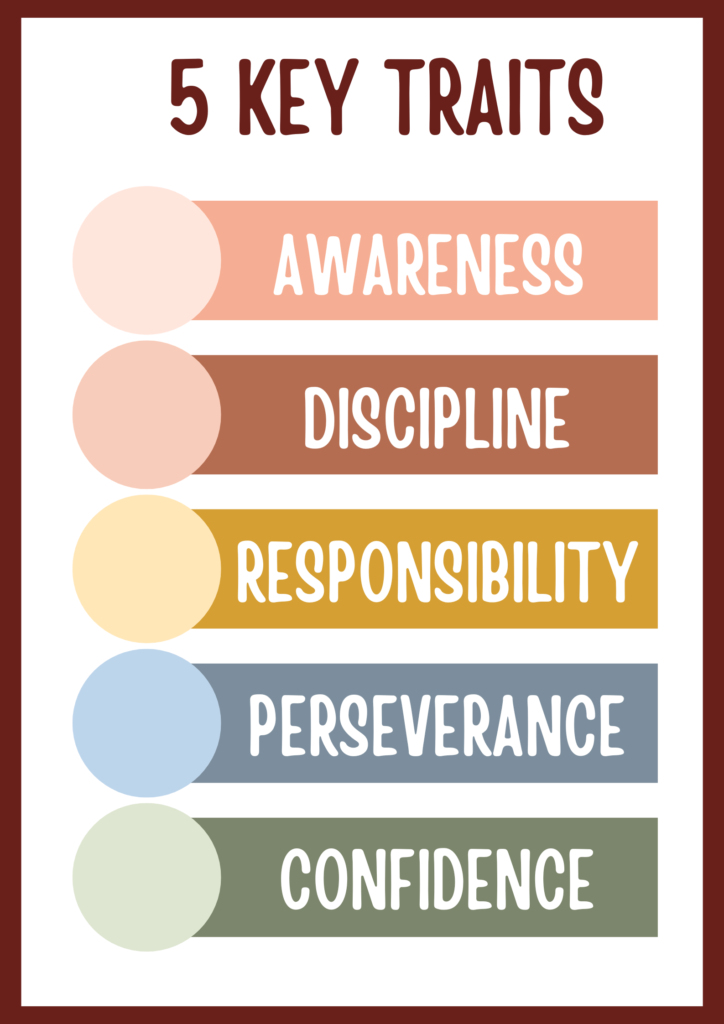
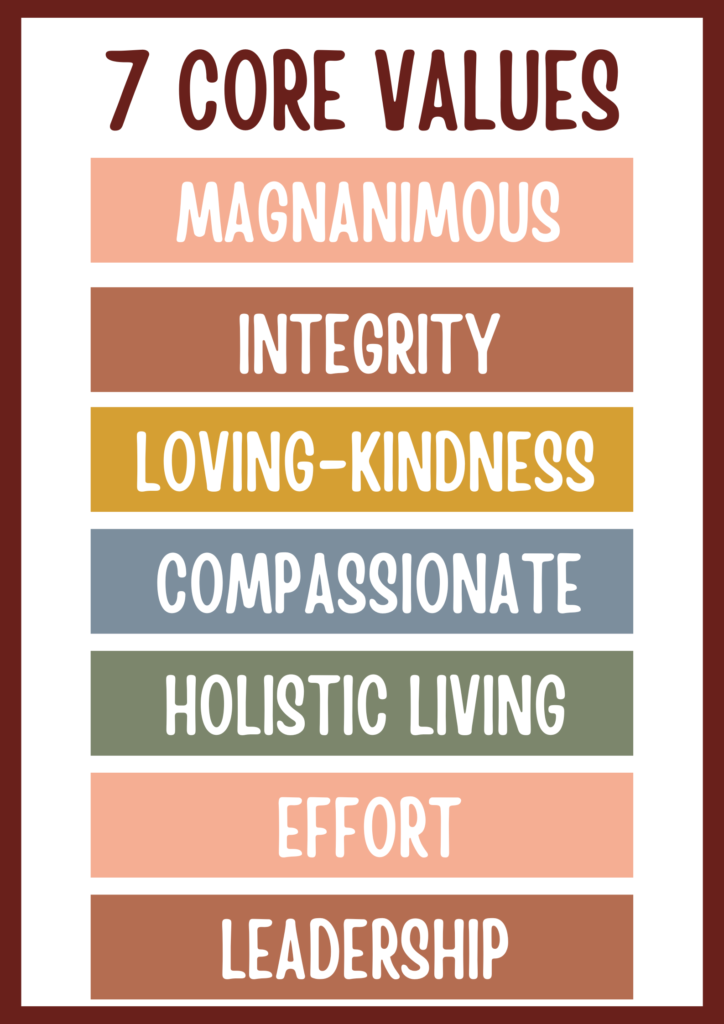
Here in Milchel, all our activities and programs are anchored on our 7 Milchel Core Values and 5 Key Traits.  One of the major activities we have every year, sometimes even multiple times a year, is doing charity work.  This is guided by our core value COMPASSION. 

We believe that doing charity work does not only help the beneficiaries, but also helps develop our children’s character. 

First of all, when children participate in planning and executing a charity work, they learn empathy.  They get exposed to different life situations and struggles.  Because of that, they understand the challenges that other people face.  They also develop a caring attitude as they see the positive impact of their effort on those in need. 

Next, children who participate in charity learn responsibility and accountability.  In a charity event, children are assigned tasks.  Then, they learn to be responsible for their roles in order to contribute to the project at hand.  They learn to be dependable when they realize that their contributions are crucial to the success of a charity event. 

Finally,  children learn gratitude and appreciation when they participate in a charity event.  Witnessing the challenges faced by others fosters a sense of gratitude for one’s own circumstances and resources.  They also learn to appreciate the efforts of others, as well as see the value of community support and generosity. 

Throughout the years, Milchelians have extended help to different beneficiaries.  They have helped elderly individuals, orphans, and troubled teens.  They’ve also helped animals, impoverished communities, and religious group, among others.  Their contributions have gone beyond financial support to include their time, effort, and energy for worthy causes. We are proud of all Milchelians and hope they continue to embrace this compassionate attitude as they grow and mature.

Responsible Digital Citizenship in Children 

Nowadays, internet is a ubiquitous tool in our lives.  It is widely used in areas like communication and social networking.  It is also used in education, e-commerce and shopping, entertainment, and work and productivity, to name a few.  For both us, adults, and our kids, the internet is a useful tool. 

As such, the world of the internet is also an area where kids need guidance as they use and explore.  The term “responsible digital citizenship” is now being commonly used.  It refers to responsible and ethical online behaviour that we all must practice.  Doing this helps us to have a healthy and safe experience in the digital world. 

There are many reasons why we parents should teach our children responsible digital citizenship.  In this article, we will talk about the most cause of concern for growing kids. 

First, addiction to gadgets and the internet is a major concern of many parents.  Excessive screen time affects children’s sleep, academics, and over-all habits, so this is a foremost concern that parents must address.  If left unchecked, this could lead to addiction that is much difficult to correct.

person with smartphone standing in projection of zeros and ones
Photo by Ron Lach on Pexels.com

Second is the spread of misinformation.  Without our guidance, children can access volumes of information online that may be untrue or just plain harmful.  It is our responsibility as adults to block suspicious sites and sources of information.  We must also teach our kids to be discerning in what they see online.  Keep an open communication so your child knows to ask you for things that they find out online.

photo of woman tutoring young boy
Photo by Julia M Cameron on Pexels.com

Finally, children must know that their actions online leave permanent digital footprint.  Educate them about the consequences of their online actions that may harm themselves or others.  A seemingly harmless post today may have consequences in the future.  Because of this, we must always remind our children to “think before you click”.

These are just some of the dangers awaiting our children online.  These are also why we should take a proactive role in educating our kids about responsible digital citizenship.  Sometimes, we parents become too relaxed in our children’s access to the internet.  This is a very serious matter that demands our watchful guidance.  Take no chances and make sure that you educate your child on how to become responsible digital citizens.   

Why Is Self-Awareness Important?

The idea of self-awareness has been gaining popularity recently, appearing in many articles, videos, and social media content. This interest is well-justified, as self-awareness is crucial across all stages of life. It plays a significant role in adults’ work, family life, social interactions, and personal growth. Similarly, self-awareness is essential for teens as they mature and build their identity, as well as for school-age children who are learning values and habits that will shape their lives.

To begin with, why is self-awareness important? Imagine a baby crying, and you don’t know how to soothe them. You can’t calm the baby because you lack awareness of what they need—are they hungry or in pain? This scenario illustrates how awareness is vital for addressing a situation effectively. Similarly, if you don’t know which of your behaviours need improvement (having awareness), how can you improve?

Let’s apply this to students. If a teen is unaware that their poor eating habits are causing physical issues, how can they improve? How will they be motivated to change if they don’t recognize the problem? The same applies to students who are unaware of their unhealthy attachment to gadgets leading to poor school performance. Without awareness of the issue, they won’t take steps to address it.

In simple terms, self-awareness is the starting point for any positive behaviour change. This is why AWARENESS is the first of Milchel’s 5 Key Traits (Awareness, Discipline, Responsibility, Perseverance, Confidence).

Children and teens may not always have high self-awareness, so adults should step in and guide them when their lack of awareness affects them. By nurturing self-awareness in the younger generations, we pave the way for them to develop healthier habits and a better understanding of themselves and their surroundings. In turn, this creates a more mindful and compassionate society for all. As adults, maintaining high self-awareness not only helps us lead by example, but it also allows us to navigate our own lives with greater clarity and purpose.

Benefits of MILCHEL English Reading Program

Fondly referred to by Milchelians as ERP, the English Reading Program is an integral  part of our Academic Services here at MILCHEL.   Over the years, ERP has evolved but our core objective remains the same:  increase Milchelians’ exposure to English-language texts. 

At the heart of ERP lies an approach that goes beyond conventional methods of language instruction. Through carefully curated group sessions, we strive to improve English proficiency.  Moreover, we strive to foster a deep appreciation for the written word among Milchelians.

Every Monday through Thursday, Milchelians gather virtually on Zoom.  They form groups based on their English-speaking standards. Guided by a dedicated facilitator-teacher, each session unfolds with a sense of anticipation of the texts for the day.

The format that ERP takes on is simple yet effective.  Students take turns reading passages from selected texts, while the facilitator provides real-time feedback and guidance. Pronunciation errors are corrected, complex passages are simplified for comprehension, and unfamiliar vocabulary is explained.  This way, we ensure that every participant gains a thorough understanding of the material.

Furthermore, ERP is more than just a reading program.  It hopes that through engaging discussions and interactive activities, Milchelians not only enhance their language skills but also develop critical thinking abilities and confidence in expressing themselves in English.

One of the most remarkable outcomes of ERP is the newfound confidence that Milchelians develop. As they conquer linguistic challenges and navigate complex texts, they discover a sense of self-assurance that transcends language barriers.

Moreover, ERP serves as a gateway to a lifelong love of reading. In a world where digital distractions abound, instilling a passion for literature is more important than ever. By immersing students in a wide array of English-language texts, ERP ignites in Milchelians a curiosity for learning. 

Finally, perhaps the greatest testament to ERP’s impact lies in the transformation it brings about in Milchelians.  We take so much delight when Milchelians, after a holiday break, asks us excitedly, “When will ERP start?” From hesitant readers to avid learners, participants emerge from the program with a newfound appreciation for the power of language and the joy of discovering new worlds through words.

In closing, as we continue to uphold our commitment to excellence in Milchelians’ academics, ERP stands as an example of dedication. By providing a nurturing environment where Milchelians can make mistakes and learn, we allow them to thrive and develop a healthy interaction with the English language.  Such will help them reach their full potential in this vast society where the ability to communicate is one’s greatest asset. 

CULTIVATING HEALTHY EATING HABITS

As parents, our minds are preoccupied with plenty of thoughts daily.  For one, we worry about providing for our family and saving for our kids’ future.  At other times, we focus on their academics and other achievements. We also worry about their character development and how they interact socially with their peers. However, no matter how we try, we may still overlook something in our children’s lives.   One area that is most often overlooked by parents is that of healthy eating. 

Consequences of Poor Eating Habits

If we fail to instill in our kids the habit of eating healthy, they may develop poor eating habits.  These poor eating habits will be very difficult to unlearn as they grow up.  Moreover, they may carry this habit into adulthood.  Problems in nutritional deficiency, obesity, and over-all poor physical health may stem for their poor eating habits.  

Now, how can parents cultivate healthy eating habits in their children?  There are a variety of ways to do it, but we’ll just list down the ones that we think are most doable and will yield best results. 

Educating Children About Nutrition

First, instead of outright controlling our children in what they eat, we can teach them about nutrition by involving them in meal preparation.  If children understand how different food affects their bodies, they may be more willing to eat their greens and skip their fast food.  On the other hand, if we ban them from eating chocolates and burgers, they will still find ways to get their hands of them even if we try to stop them from doing so. 

flat lay photography of vegetable salad on plate
Photo by Ella Olsson on Pexels.com

Limiting Their Access To Junk Food

Next, for younger kids who only have access to whatever you get for them, it will work if you limit their access to junk food.  When you do your grocery shopping, you may still take some snacks but do this in moderation.  If a child grows up not being used to eating junk food, they may still eat them as they grow up, but they will still prefer healthy food if given the choice. 

Offering Healthy Alternatives

This is where alternatives come in.  Does your child enjoy eating chips?  Opt to buy the unsalted dried vegetable chips,  instead of the salty, oily potato chips. Do they like chocolates?  Go for the dark chocolate with stevia.  Do they like cakes and pastries?  Skip that donut and bake a good carrot cake at home.  Yes, the healthier options may be more expensive, but in this case, it is worth the price tag. 

veggies and carbs
Photo by Yaroslav Shuraev on Pexels.com

Creating A Positive Eating Environment

Furthermore, it helps to create a positive eating environment at home.  Make your mealtimes enjoyable by sitting together as a family and having good conversations.  Educate your kids instead of shaming them for their food choices. 

Leading By Example

Finally, like in many instances when we teach our children, leading by example is our best strategy.  Our children copy our behaviour, so whatever their eating habits are, they learned from us.  If they see us eating healthily and enjoying a balanced diet, they are more likely to do the same. 

a family eating together
Photo by Ron Lach on Pexels.com

Educating children about nutrition by involving them in meal preparation, limiting their access to junk food, offering them healthy alternatives, creating a positive eating environment, and leading by example are just some of the ways how we can cultivate healthy eating habits in our kids.  It’s not yet too late.  You can start guiding them to eat healthily today. 

Instilling Responsible Spending Habits

Responsible spending habits are an essential skill that everyone must have.  As we have observed in Milchel, children have different spending habits.  Some as responsible, but others are excessive in their spending.  One this is for sure – they learned their spending habits from their parents.  Directly or indirectly, it’s the parents who have taught them whatever they know about money and spending. 

If you have young children who are just beginning to understand the concept of money and spending, now’s the good time to teach them responsibly spending.  As they say, it’s best to start them early.  At an early age, children must learn to distinguish between needs and wants.  Do they really need that new toy?  Or do they just want it?  Do they really need that insanely expensive bag?  Or do they just want it?

While we teach our children to think about their needs and wants before making a purchase, we also encourage them to think critically.  Do they really need that top of the line gadget?  Or will a mid-level one do the job?  Is it really wise to spend their pocket money for the month in just one weekend?  The more they practice critical thinking, they easier they will develop a good judgement when it comes so spending their money. 

Finally, let me circle back to the start of this article.  We said that whatever spending habits your children have, they definitely learned it from you.  So the best tip to remember in instilling responsible spending habits is to lead by example.  Whatever our children see from us are incredibly influential in our children’s attitudes towards money and spending.  That being said, reflect on your own spending habits and what your children are learning from you.  If there’s still a room for improvement, enter that room with your child and change your spending habits together. 

Over-all, it all boils down to your family’s values that you pass on to your children.  Once they know the difference between needs and wants and the importance of being reasonable in spending, they can then think critically about their spending habits.  Later, they can make good decisions about the hard-earned money that their parents regularly top-up in their pockets. 

adorable little ethnic children watching funny video on laptop with mother
Photo by Ketut Subiyanto on Pexels.com

What can Milchelians gain from participating in Indulge activities? 

What is Indulge

Indulge is one of the core features of Milchel’s Character Department.  Indulge activities are a venue where Milchelians have fun playing with their friends and at the same time learn the 7 Milchel Core Values and 5 Key Traits.  Aside from these, they also learn other important soft skills that they learn while playing. 

The Committee

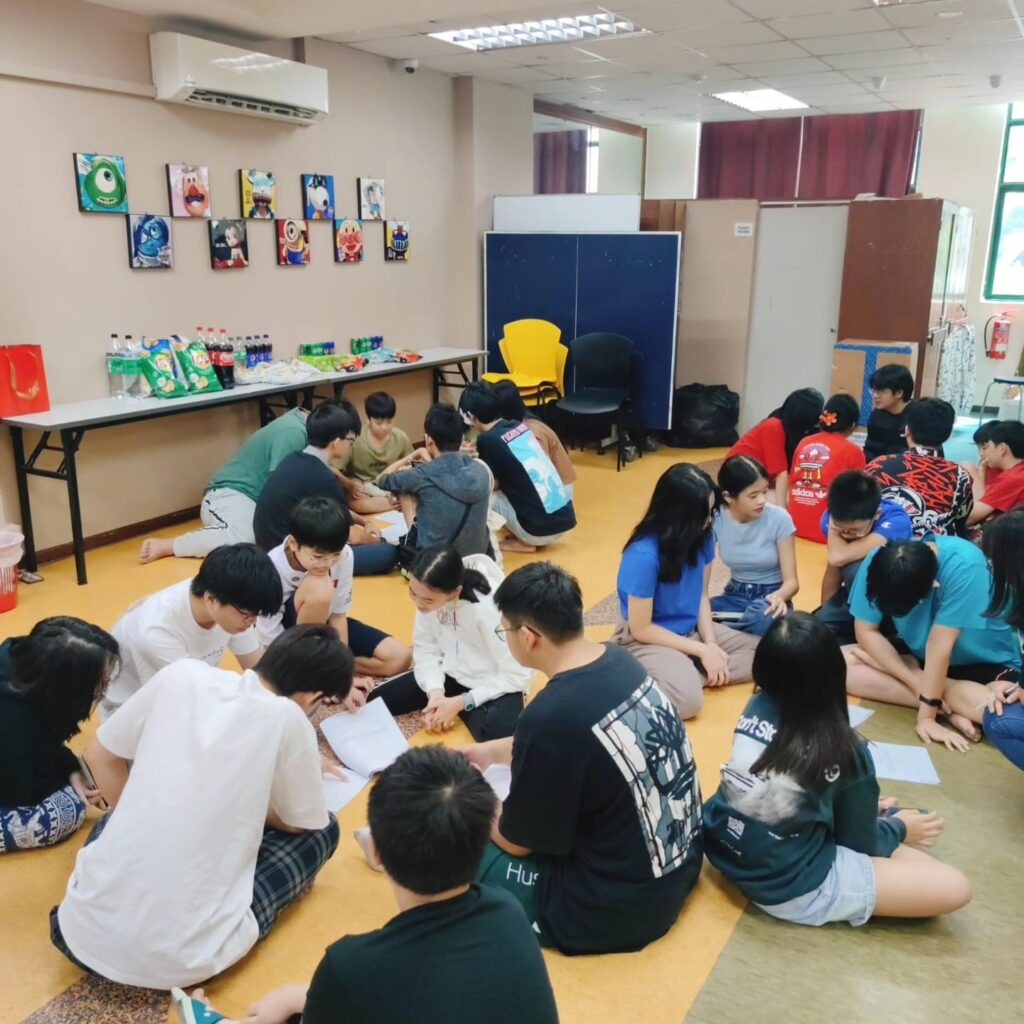
At the start of the year,  Milchelians are placed in groups.  Then, the groups are assigned a specific month when they become the committee.  As the committee, they prepare the games for the other Indulge members.  All Indulge members get to be part of the committee that prepares the games.  Games in Indulge can be sports, relay, fun challenges, and the like.  It’s up to the committee what they want to offer the whole Indulge group.

At this stage of Indulge, they learn to communicate with other committee members in planning the games.  They also get to exercise their creativity for they’d have to plan not only a fun activity for all Indulge members but also something where they can all learn from.  They also learn time management because they usually follow a timeline when they have to finish the games planning.  They also learn leadership and followership because they are assigned specific tasks to complete. 

Indulge Day

On the actual Indulge day, the committee and all other Indulge members get together to play the games that was planned by the committee.  Prior to this, they attend a short teaching session to raise their awareness on the 7 Milchel Core Values and 5 Key Traits that they will learn and practice on that specific Indulge Day.  Milchelians learn a different Core Value and Key Trait from each Indulge Day. 

While participating in the games itself, Milchelians get to learn teamwork, problem solving, and adaptability.  They also learn to become a good sport.  They also learn decision making, good communication skills, and getting along with others.

Over-all, Indulge is a great venue for Milchelians to bond with their friends through the games.  At the same time, the learn plenty of soft skills and values that will be beneficial for them as they mature.  

Beyond Goal Setting: Nurturing Continued Success in Your Child’s Education

As Milchelians set their academic goals, the journey doesn’t end there; it’s just the beginning.  We – parents, guardians, and coordinators – play a crucial role in the follow-up.  This is to ensure that the energy gained from goal setting translates into on-going success.

The Importance of Follow-Up

After the initial excitement of goal setting, it’s important to maintain a constant and supportive role in Milchelians’ educational journey.  Regular check-ins and discussions about progress create an environment where goals aren’t just set but are actively pursued.

Celebrating Achievements

Recognizing and celebrating small victories is key to maintaining motivation.  Whether it’s improved grades, completion of a challenging project, or personal growth, acknowledging achievements promotes a positive mindset in children.  This also reinforces the value of setting and attaining goals.

Adjusting Goals

As Milchelians progress, goals may need adjustment.  We must encourage open communication about challenges and aspirations.  Furthermore, we must be ready to listen to what our children say.  More importantly, we must be willing to let our children adjust their goals to align with their interests and capabilities.  This flexibility ensures that goal setting remains a dynamic and meaningful process.

Identifying Challenges

Regular follow-up allows us, guiding adults, to identify any challenges Milchelian learners may be facing.  Whether it’s difficulties with specific subjects, time management issues, or personal struggles, addressing challenges promptly ensures timely support and intervention.

Encouraging Reflection

Engaging Milchelians in reflective talks about their goals is also crucial.  Encouraging them to assess what worked well and what could be improved is a helpful strategy.  Moreover, guiding our children and teens how they can apply these insights to future goals is key.  This reflective process instils a habit of self-awareness and continuous improvement.

The Consequences of Neglecting Follow-Up

While goal setting is a powerful tool, neglecting follow-up can lessen its impact.  Without on-going support and encouragement, goals may lose their significance, and Milchelians’ initial energy may decline.  This could result in a lack of motivation, direction, and a missed opportunity for continuous growth.

Conclusion: A Lifelong Journey of Success

In conclusion, goal setting is not a one-time event, but a continuous journey.  By actively following up, parents, guardians, and coordinators contribute to the development of skills such as awareness, perseverance, adaptability, and self-reflection.  This on-going support ensures that the benefits of goal setting extend beyond the initial stage.  By doing so, we are guiding Milchelians towards a lifelong journey of academic success and personal growth.

Nurturing Success: The Role of Goal Setting in Your Child’s Education

As Milchelians start their academic journey this year, goal setting will be a valuable tool to ease their ride.  Some of them will be navigating primary school, facing challenges in secondary education, or stepping into tertiary studies.  Either way, guiding them to set goals can greatly affect their educational experience.

Why Goals Matter

First, consider goals as the roadmap guiding every Milchelian’s academic journey.  They provide direction, purpose, and a sense of achievement.  By breaking down tasks into smaller, manageable steps, goals teach effective time management—an important skill for academic success.  They also contribute to personal growth by teaching self-awareness, perseverance, confidence, and a positive mindset.

For Primary Schoolers

While young, Milchelians can benefit from simple goals such as completing homework or reading a specific number of pages.  These initial experiences lay the foundation for discipline and responsibility.  Parents, guardians, and coordinators play a crucial role in guiding Milchelians set achievable yet challenging goals.  Additionally, we offer gentle but firm guidance as they learn to balance academics and play.

Navigating High School Challenges

Furthermore, as Milchelians transition to secondary school, the complexity of goals changes.  Academic achievements, participation in CCAs, and personal development become key areas for goal setting.  Moreover, it is essential to assist teenagers in identifying realistic goals and encouraging them to explore interests and passions.  Goals act as motivators, empowering adolescents to face the sometimes-overwhelming journey of secondary school with purpose and determination.

Preparing for Tertiary Education

Finally, even as Milchelians approach tertiary level, goal setting remains relevant.  Academic and career-oriented goals become crucial.  The parental role shifts to that of a mentor, guiding them in articulating aspirations, planning for the future, and making informed decisions about their educational and professional paths.

The Consequences of Goal Neglect

The absence of the habit of goal setting has serious consequences.  Milchelians may face challenges such as a lack of direction, procrastination, and difficulty managing time effectively.  We, parents, guardians, and coordinators, must understand and avoid these potential outcomes.  This understanding empowers us to guide our children towards a more purposeful and fulfilling educational experience.

Conclusion: A Collaborative Journey

In essence, goal setting is a collaborative effort between parents and children.  It’s about developing a mindset that embraces challenges, values personal growth, and strives for success.  For Milchelians, this collaborative journey includes parents, guardians, and coordinators.  Actively engaging in the goal-setting process occurs not only at the beginning of the year.   What’s more, it also happens at the start of every term when we also review past-term student performance.  By being actively involved, parents and guardians not only support academic goals but also equip Milchelians with essential life skills for the future.  Let’s empower the next generation for a journey filled with achievements and meaningful growth.