

Children Are Growing Up in a Techno World
Children today are growing up in a very different world. They use phones, tablets, computers, games, and online platforms almost every day. Because of this, they learn how to use technology at a young age.
However, knowing how to use technology is not the same as knowing how to stay safe. A child may know how to click, search, download, or chat. Yet, they may not always know when something is dangerous.
This is why parents and guardians play a very important role. Children need guidance. They need reminders. Most of all, they need to learn how to think before they act online.
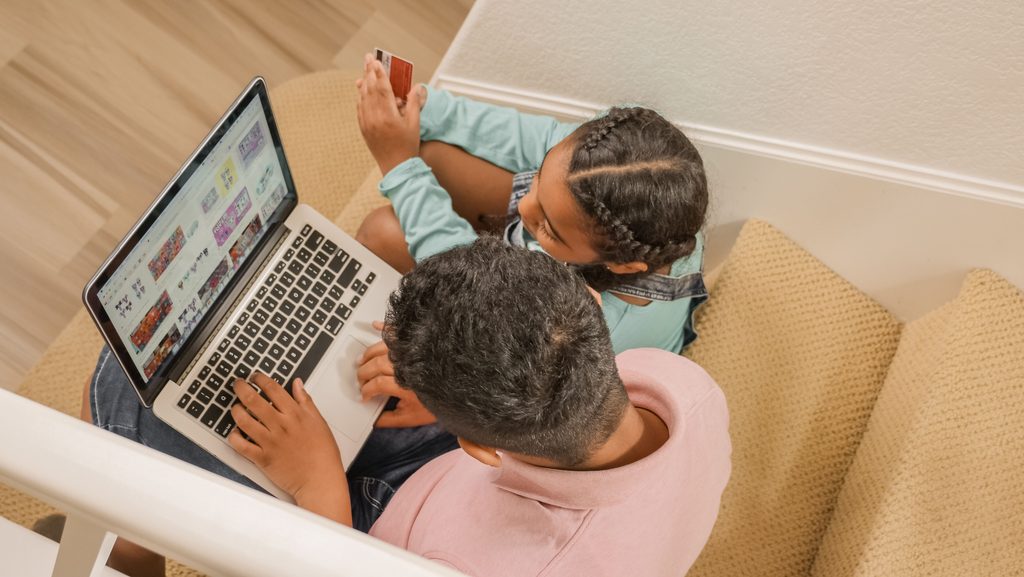
Scams Are No Longer Just for Adults
In the past, many people thought scams only targeted adults. Today, this is no longer true. Scammers can reach children through games, messages, social media, emails, and fake links.
Sometimes, the scam may look like a reward. It may say that the child won a prize. It may offer free game credits, shopping vouchers, or online items. Other times, it may look like a message from a friend, teacher, company, or official account.
This can confuse children. They may trust quickly. They may click without checking. Therefore, parents need to teach them that not everything online is safe or true.
Teach Children to Pause Before They Click
One of the best lessons parents can teach is simple: pause before you click.
Scammers often want people to act fast. They may use words like “urgent,” “limited time,” “claim now,” or “your account will be blocked.” These words create pressure. They make people react without thinking.
So, children must learn to slow down. Before clicking a link, they can ask a few simple questions. Do I know this person? Why are they sending this to me? Is this link strange? Why are they rushing me?
This small habit can protect them. It teaches them to think first, instead of reacting quickly.
Help Them Spot the Signs of a Scam
Parents can also teach children the common signs of scams. For example, a message may have strange spelling or grammar. It may include a link that looks unusual. It may ask for a password, OTP, home address, or personal details.
Some scams also sound too good to be true. They may promise free prizes, free money, free game items, or easy rewards. When something sounds too easy, children should learn to be careful.
Parents can show sample scam messages at home. Then, they can ask, “What looks suspicious here?” This makes the lesson more practical. It also trains the child’s eyes to notice danger.
Make “Ask an Adult First” a Family Rule
Children should know that it is always safe to ask an adult. They should not feel afraid or ashamed.
Parents can say, “If you are unsure, ask me first. You will not get scolded for asking.” This is very important. If children fear being punished, they may hide their mistakes.
However, if they feel safe, they will speak up. This gives parents the chance to help quickly. It also teaches children that asking for help is a wise thing to do.
Teach Them How Scammers Use Emotions
Scams do not only trick the mind. They also play with emotions. Scammers may use fear, excitement, pity, greed, or pressure.
For example, they may scare a child by saying that an account will be closed. They may excite the child with a fake prize. They may pretend to be kind. They may also make the child feel special.
Because of this, children need to understand that emotions can affect decisions. When they feel scared, excited, or pressured online, they should pause. Then, they should ask an adult before doing anything.
Set Healthy Digital Boundaries at Home
Aside from teaching, parents also need to set clear boundaries. Children should know what they can and cannot do online. They should also understand why these rules matter.
For example, parents can set rules about online purchases. They can limit chats with strangers. They can check privacy settings. They can also remind children not to share family, school, or financial details.
These rules are not meant to scare children. Instead, they protect them. They also help children become more responsible users of technology.
Parents Must Model Online Safety Too
Children learn best from what they see. Therefore, parents must also practise safe online habits.
Parents can show their children how they check links. They can talk about suspicious messages. They can also explain why they do not share personal details easily.
When parents model safe behaviour, children learn that online safety is part of daily life. It becomes a family habit, not just a one-time warning.
Raising Scam-Smart Children
In the end, teaching children about scams is not about making them afraid of technology. Technology can help them learn, connect, and grow. However, they must learn how to use it wisely.
Parents can help by teaching them to pause, check, and ask for help. They can guide them with patience and real examples. They can also create a home where children feel safe to speak up.
The digital world will continue to grow. Because of this, our children need more than gadgets and internet access. They need awareness, wisdom, and confidence. With the right guidance, they can become scam-smart children who know how to protect themselves online.