
Why Friendships Matter in Student Growth?

Introduction


A big part of a student’s life is spent with friends. In early childhood, they begin with simple playmates, such as cousins or the children of their parents’ friends. These early interactions help them learn how to share, take turns, and get along with others.

As they grow older, they meet more children in school. This is where friendships start to become more meaningful. Over time, children learn how to build and maintain these relationships. For some, making friends comes naturally. Others may find it more challenging. This is perfectly normal, as every child has a different personality and develops social skills at their own pace.

Why Friendships Are Important


Friendships play a key role in a child’s growth, especially during their school years. Having good friends helps children feel that they belong. When students feel accepted, they are more comfortable in school and more willing to take part in activities.

Friends also provide emotional support. When children face challenges, whether in schoolwork or personal situations, friends can offer comfort and encouragement. This support helps build confidence and strengthens self-esteem over time.

In addition, friendships help children develop important social and communication skills. Through daily interactions, they learn how to listen, express their thoughts, and understand different perspectives. These are skills that will benefit them throughout life.

Friends also influence behaviour. There is truth in the saying, “Tell me who your friends are, and I’ll tell you who you are.” For example, students who spend time with hardworking and responsible friends are more likely to develop the same habits.

Most importantly, friendships make school life more enjoyable. Learning becomes more engaging when children share experiences with others.

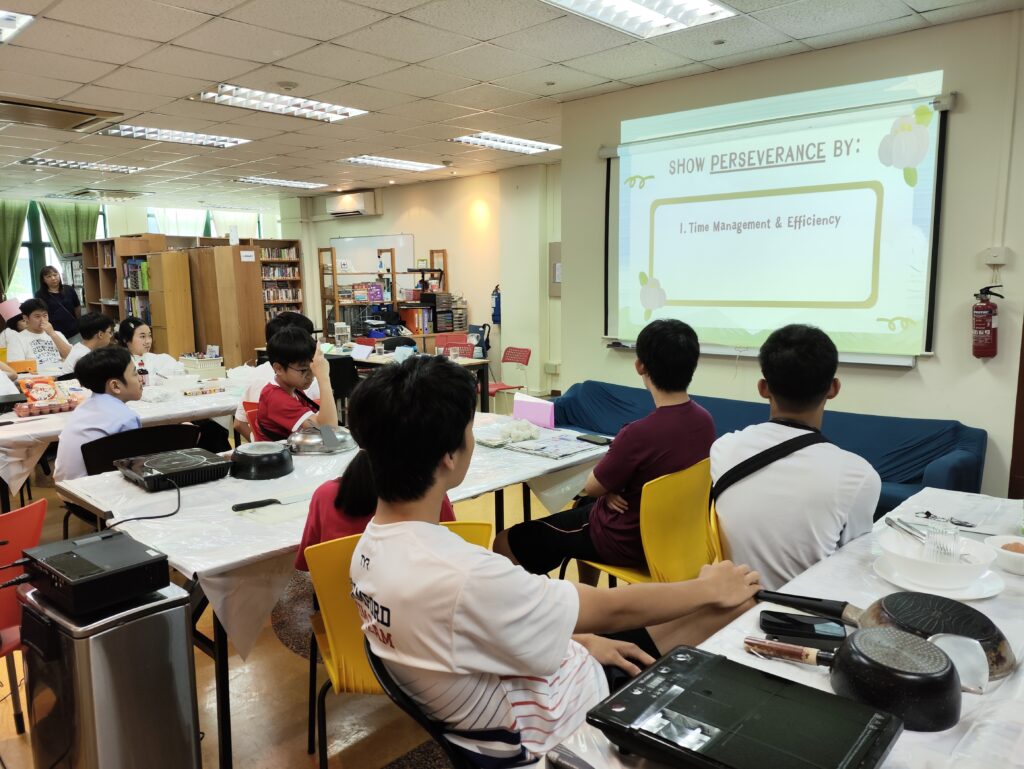
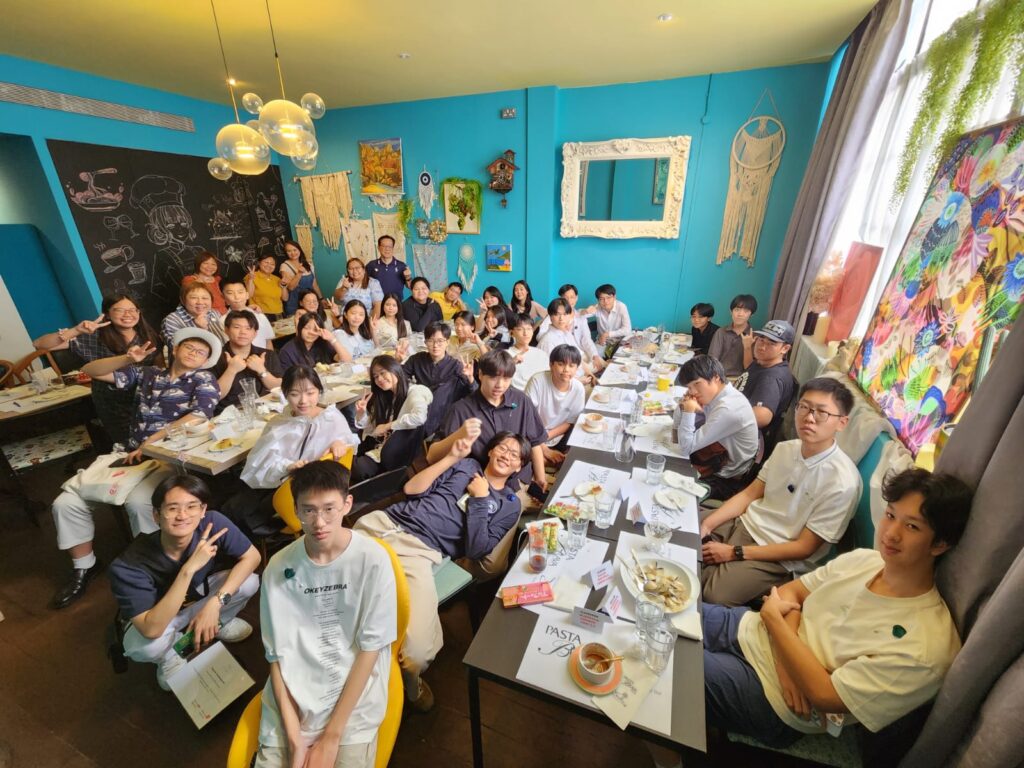
Many friendships, including those formed in hostels like what we have seen in Milchelians, can last well into adulthood. Because of this, it is important for parents to guide children in choosing the right friends.

What to Look for in Friends


Choosing good friends is not about excluding others or judging them. Instead, it is about finding people who share positive values and behaviours.

Good friends are kind and respectful. They treat others well and show consideration in both words and actions. Being around such people creates a safe and supportive environment.

They are also honest and trustworthy. This means they tell the truth, keep promises, and can be relied on. Trust is the foundation of any strong friendship.

Supportive friends encourage one another. They celebrate each other’s successes and offer help during difficult times. This kind of support helps children grow both emotionally and academically.

Finally, good friends make wise choices and understand the value of hard work. They take responsibility for their actions and act with integrity. These qualities have a strong and positive influence on a child’s development. 

What Parents Should Teach About Friendship


While it is important for children to choose good friends, parents also play a key role in teaching them how to be good friends to others. Friendship is a two-way relationship, and children need guidance to understand what it means to care for others.

Parents can start by teaching kindness, care, and respect in daily interactions. Simple actions, such as listening attentively, using polite words, and showing concern for others, help children understand how to treat people well.

It is also important to teach honesty and responsibility. Children should learn to tell the truth, keep their promises, and admit their mistakes. These habits build trust, which is the foundation of strong friendships.

Parents should also encourage inclusion. Children need to understand the importance of welcoming others and not leaving anyone out. By doing so, they help create a positive and supportive environment for everyone.

Clear and kind communication is another important lesson. Parents can guide children to express their thoughts calmly and respectfully, even during disagreements. This helps them manage conflicts in a healthy way.

Most importantly, parents should remind their children to be the kind of friend they would like to have. When children practise these values, they are more likely to form meaningful and lasting friendships.

Conclusion


Friendships play an important role in shaping a child’s school experience and personal growth. They provide support, build confidence, and teach valuable life skills. When parents guide their children to choose good friends and to be good friends, they help them build strong and healthy relationships. These friendships can support them not only in school, but throughout their lives.

Why Loving-Kindness Matters Even in a Tech-Filled Life

Introduction

Technology shapes much of a child’s daily life. Devices help them learn, connect, and have fun. Many children use school platforms and social media from a young age. This trend is not likely to change.

Even so, one quality remains essential: loving-kindness.

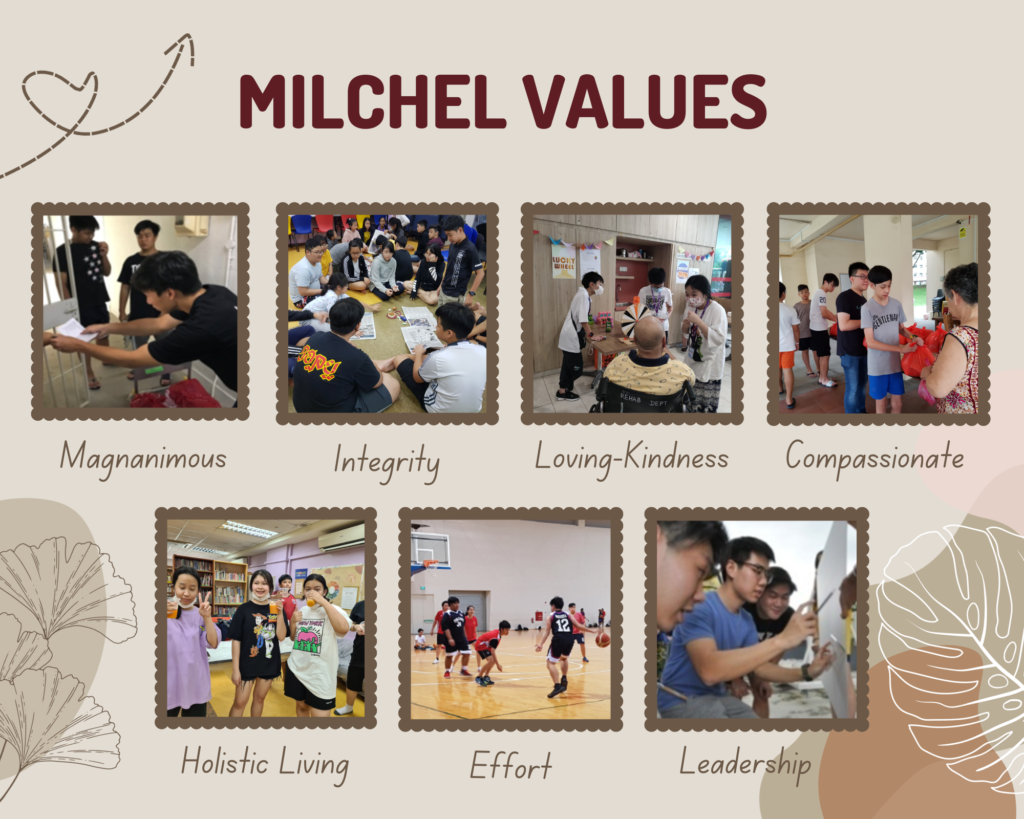
Loving-kindness is one of MILCHEL’s Core Values. It means more than being polite or caring. It includes showing warmth, love, and generosity toward others. It is not just a soft skill. It is a basic life skill that every child needs.

Why Loving-Kindness Is Important


Loving-kindness helps children build strong relationships. When they treat others with care, they form deeper and more meaningful friendships. People feel comfortable around them and are naturally drawn to them.

It also protects mental well-being. Children who act with kindness feel more at ease. They do not worry as much about hurting others or being disliked. At the same time, others feel safe and respected around them.

Loving-kindness also improves communication, especially online. Children learn to think before they post or send messages. They consider how others might feel. Because of this, they are less likely to offend others and more likely to communicate with respect.

How Parents Can Teach Loving-Kindness


First, create chances for your child to practise kindness in real life. How a child behaves offline often shapes how they act online. Encourage them to help at home, support younger siblings, and take part in family or community activities. These actions build good habits that carry over into the digital world.

Next, help your child understand other people’s feelings. Ask simple questions like, “How do you think your friend felt?” Encourage them to notice classmates who may be struggling. Small acts of kindness can make a big difference. This helps build empathy, which is the heart of loving-kindness.

Finally, model loving-kindness in your daily life. Children learn more from what you do than what you say. Show respect when speaking to others. Put your device aside and give people your full attention. Stay calm and patient, even in stressful situations like traffic or long queues. Your actions will guide them.

Conclusion


In a world filled with technology, skills alone are not enough. Children also need strong values to guide their actions. Loving-kindness helps them build relationships, protect their well-being, and communicate with care. When parents teach and model this value, they prepare their children not just for the digital world, but for life.

Teaching Healthy Screen Habits in the Age of AI

Distracted Children Today

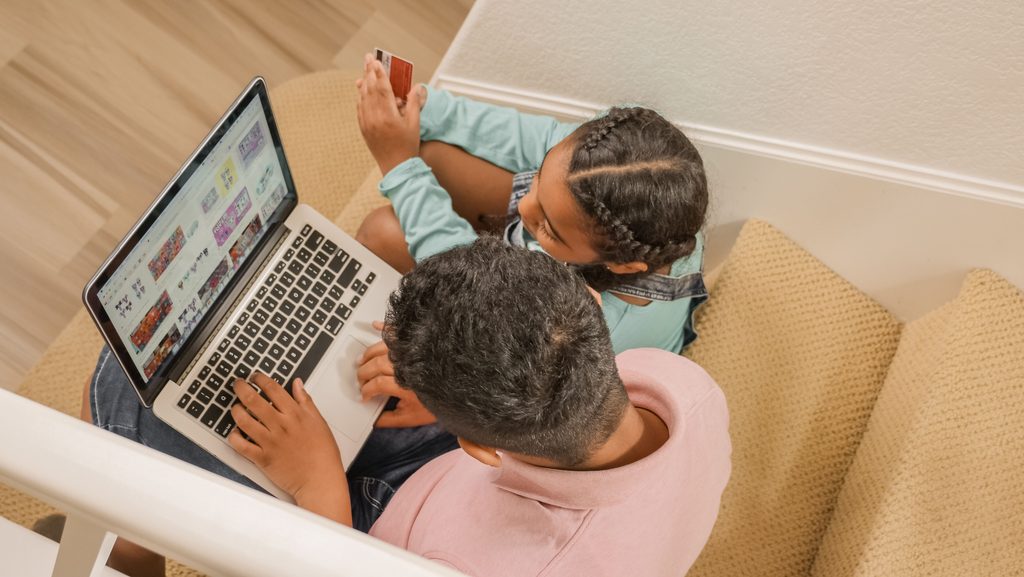
Children today spend more time than ever on screens.  Too much screen time can affect mood, sleep, and attention span.  With the steady rise of AI, offline activities now face tough competition.  Kids can easily access endless entertainment online.  However, children may not realize that AI is not real life.  It also comes with limits and setbacks.  As adults, we must help children balance screen time with real-life experiences.  This balance supports their healthy growth and development.  Here are practical tips that have worked for many families.

Strategies to Try

One common strategy is to set clear no-screen times each day.  For example, keep meals and the hour before bedtime screen-free.  This creates clear limits and consistent device-free routines.

Another effective approach is to encourage face-to-face activities with family and friends.  Younger children can enjoy playdates with peers. Families can also play board games, do chores together, or play sports.  These real-life interactions build empathy, conversation skills, and confidence.  Screens cannot fully replace these important life experiences.  Outdoor sports and physical activities also promote health and an active lifestyle.  They help address the sedentary habits caused by excessive screen time.  This concern affects adults as much as children.

Most importantly, parents must model healthy screen habits themselves.  Children notice what adults do.  When parents put away their phones during family time, they send a powerful message.  Parents should also explain the reasons behind these boundaries.  Children need to understand that technology requires balance, not total avoidance.  Since technology will always remain part of their lives, they must learn how to use it wisely.

A Healthy Balance

Balancing screen time with real-life experiences helps children grow socially, emotionally, and physically.  It teaches them that life happens both online and offline.  With clear boundaries and strong examples from adults, children can develop healthy digital habits that will benefit them for life. 

Why Every Child Needs Time Management Skills Today

A Fast-Paced and Distraction-Filled World

Children today are surrounded by many activities and distractions.  School tasks often take up most of their day.  Many also join extracurricular activities that support their growth and interests.  On top of that, social media easily consumes their time without them noticing.  Online games and other digital entertainment also compete for their attention.  Because of these many demands, children can quickly feel overwhelmed.  They may struggle to balance school, hobbies, and rest.  In today’s fast-paced and distraction-filled world, time management has become an essential life skill.  Parents and caretakers play a key role in teaching this habit early.

Practical Tips

Start by teaching the mindset of “work first, reward later.”  Encourage children to finish homework and chores before gaming or screen time.  This habit helps reduce procrastination caused by digital distractions.

Next, guide them in creating a simple daily routine.  Include set times for study, play, meals, sleep, and games.  Try one routine first, then adjust it based on what works best for your child.  For younger children, use a checklist or visual planner.  These tools help them follow tasks without constant reminders.  As a result, they develop independence and responsibility.

Also, teach them to break big tasks into smaller steps.  Small steps make tasks feel easier and less stressful.  This approach helps them focus better and improves academic performance.

Once they become comfortable with these habits, let them help plan their own schedule with your guidance.  This step prepares them for future responsibilities in school and life.

Usefulness Today and Beyond

Teaching time management gives children skills they will use for years to come.  It helps them stay organised, focused, and confident.  More importantly, it teaches them how to manage the demands of modern life.  With steady guidance and practice, parents can help children build habits that lead to success both now and in the future.

Raising Confident Kids in a World of Pressure

Children today face many pressures. They compare themselves with classmates in school and with people they see online. Many of these images look perfect and flawless. Because of this, children may stop being grateful for who they are and what they have. Some begin to feel that they are “not good enough.” They may fear failure and avoid trying new things, like joining a competition or answering a question in class. Over time, fear can grow into self-doubt if no one helps them. This is why one of MILCHEL’s 5 Key Traits is CONFIDENCE. When children build confidence, the world opens up to them. They dare to learn, explore, and grow.

So what can we do to teach courage and confidence? First, help children see that fear is normal. If your child is scared of a math test, you can say, “I also feel nervous before big presentations at work.” This helps them feel less alone. Teach them to focus on action, not just feelings. If they fear a spelling test, help them create a simple study plan and practice five words each day. Remind them that they do not need to remove all fear. They just need to take one small brave step. Do not only lecture them about being brave. Show them through daily life.

For example, normalise mistakes at home. If you burn dinner or make a wrong turn while driving, say calmly, “It’s okay. Mistakes happen. I will fix it.” When your child scores low on a test, say, “I am proud of the effort you put in. Let’s see how you can improve next time.” Encourage small brave steps. If your child is shy about speaking in class, first ask them to practise reading aloud at home. Then encourage them to answer one simple question in class. Celebrate that small win. Create a safe emotional space. When they say, “I’m scared I will fail,” reply, “I understand that you feel scared. I am here with you.” Finally, model courage. Try something new, like learning a new skill, and let them see you struggle and keep going. If you succeed, stay humble. If you fail, stay calm and try again.

Fear is part of growing up, but it should not shape a child’s limits. Confidence grows with practice and support. When we guide children with patience and real examples, we teach them that fear can be faced. And when children learn to face fear, they begin to trust themselves.

Raising Grateful Children in a Materialistic World

Today’s society puts too much focus on material things. We are told that we need more to be happy. Even adults fall into this trap. We adults are supposed to be level-headed, yet we still compare and want what we do not have. Because we focus on what is missing, we forget to value what we already own. We forget gratitude. If this is hard for us, can you imagine how it feels for our children? They see classmates with new toys, new shoes, and new gadgets. If adults struggle with gratitude, it is no surprise that children struggle too.

Teaching Gratitude Starts with Us

So what can we do about this? First, we must model gratitude ourselves. Say it out loud. For example, “I am grateful for this good meal,” or “I am thankful for this warm home.” Children learn by watching us. If they see us appreciate small things, they will copy that habit. Second, ask reflective questions. Instead of asking, “What did you get today?” ask, “What did you enjoy most today?” This helps them focus on experiences, not things. Third, manage materialism triggers. These include ads and influencer culture, such as unboxing videos. Teach children that social media is not always real or honest. Help them see that many posts are made to sell products.

You can also make gratitude fun and active. Start a gratitude journal and write one simple thing each day. Tell stories about your childhood or their grandparents’ early years. Show them how people lived with less and still found joy. Create a weekly family appreciation circle. Each person can share one thing they are thankful for. Small habits like these can shape a child’s heart over time.

In the end, gratitude must be taught on purpose. The world will teach our children to want more. We must teach them to appreciate what they already have. When we model thankfulness, guide their thinking, and limit unhealthy influences, we raise children who are content. Gratitude is not natural in a material world. It is a value we must build, one small step at a time.

Balancing Technology and Character: Guiding Children in a Digital World

Balancing Technology and Character in Today’s World

Technology is now part of almost every area of daily life. Adults rely on it at work. We use it for banking, shopping, entertainment, and transport. Children use technology too. It appears in their games, hobbies, and schoolwork. Technology surrounds them wherever they go. It is always present and easy to access. Because of this, people can get carried away by its fast pace. If adults can be influenced so easily, children face even greater risks. This is why children need strong values and good character. These qualities help keep them safe from the harms of technology.

Building Knowledge and Awareness

First, children need knowledge and awareness. Without it, they cannot use technology with confidence. Adults also need to understand this space. This helps us guide children better. One example is artificial intelligence in education. AI now plays a growing role in learning. Even educators are still learning how to use it well. AI can support learning. It can also weaken learning if misused. This is why adults should explore these tools first. We need to see how children may use them. This includes both good and bad uses. When adults guide them, children learn from trusted sources instead of unreliable ones online.

Setting Clear Values and Boundaries

Second, children need clear rules they must follow. These rules help guide their daily choices. Honesty and integrity must come first. Children can use AI as a learning tool. They should never use it to cheat. Kindness and courtesy also matter online. This applies when children play games or talk to others. Their behaviour online should match their behaviour offline. This is part of being a responsible digital citizen.

Knowing When to Unplug

Third, children must learn when to unplug. Technology is fun and exciting. Many friends and activities exist online. Stepping away can feel difficult. Children may worry about missing out. Still, life continues beyond the screen. Children need confidence to disconnect. They should spend time with friends in person. They should play sports and learn teamwork face to face. These real-life experiences help them grow socially and emotionally.

Guiding with Balance and Care

Technology will continue to shape our children’s world. We cannot remove it. We should not fear it either. Instead, we guide children with balance and care. Knowledge builds awareness. Values give direction. Learning to unplug builds confidence. With the right guidance, children can use technology wisely. They can grow into responsible, grounded, and resilient individuals.

Keeping Chinese New Year Traditions Alive Away From Home

A Season of Family and Togetherness

Chinese New Year is just around the corner. It is a special time filled with joy and meaning. Families come together to reconnect and celebrate long-held traditions. For many foreign students studying in Singapore, going home during this short break is common. It gives them valuable time with their loved ones. However, some Milchelians remain in Singapore for various reasons. Staying behind does not mean missing out on the festive spirit. In Milchel, we keep traditions alive. We make sure every child still feels the warmth of family during Chinese New Year.

Celebrating Chinese New Year in the Hostel

Over the years, we have organised many festive activities and celebrations. Each year, we adjust these activities to suit the age of the Milchelians staying in the hostel. During the Chinese New Year period, the house comes alive with decorations. Everyone gathers for a hearty reunion dinner on New Year’s Eve. We also prepare plenty of festive snacks for everyone to enjoy. These include oranges, drinks, sweets, candies, and nuts. Guardians hand out hongbao and share warm blessings.

The children enjoy a wide range of activities. They play board games and fun parlour games together. We also organise outdoor activities, such as playing with sparklers or taking walks through Chinatown. Each year, both Milchelians and staff look forward to our annual Chinese New Year treat. While some children may choose to rest or enjoy their own games, we encourage everyone to join in the celebrations and spend time together as a family in Singapore.

More Than a Place to Stay

Festive celebrations play an important role in hostel life. They reflect who we truly are. We are not just a place to stay, but a family for Milchelians in Singapore. Guardians, COs, staff, and Milchelians celebrate side by side. Together, we create memories that last beyond the season. Here’s wishing everyone a happy, healthy, and prosperous Chinese New Year.

Why Leadership Matters in the Teenage Years

The teenage years are an exciting stage of life. They are full of energy and curiosity. During this time, young people make friends, discover new interests, and enjoy new experiences. More importantly, adolescence is also a powerful period of growth.

During these years, teens develop many life skills. They learn to swim, ride a bike, or drive a car. They also learn to bake, explore art, or try music and poetry. Yet, one important area often receives less attention: leadership. Unlike physical or creative skills, leadership does not show itself easily. People cannot measure or display it as clearly. Even so, leadership remains a lifelong skill, making it one of the most important abilities a teen can develop.

Why Is Leadership Important for Teens?

Leadership plays a key role in shaping a teenager’s character and mindset.

First, leadership builds confidence and self-awareness. Teens learn to stand firm when peer pressure pushes them to conform, and they practise staying true to their values in social situations. Next, leadership develops responsibility and accountability. When students lead a school project or event, they learn to plan carefully and follow through on their commitments.

In addition, leadership strengthens communication and teamwork. Through CCAs and group activities, students listen actively, express their ideas clearly, and work towards shared goals. Leadership also nurtures good decision-making and integrity. Teens learn to choose what is right, even when doing so feels difficult. Finally, leadership prepares them for the future. These skills support them in college, in the workplace, and in everyday life. Learning leadership early brings long-term benefits that extend far beyond school.

How Leadership Is Developed in Teens

Many people wonder how adults can guide teenagers in developing leadership skills.

Leadership does not grow through lectures alone. Watching videos or listening passively rarely creates real understanding. At Milchel, we take a multi-pronged approach that focuses on experience and guidance. We begin with role modelling. Guardians and COs demonstrate leadership through their daily actions by managing themselves well and guiding Milchelians with care.

We also place trust in Milchelians by giving them real responsibilities. They take on leadership roles during activities and events. Through Indulge activities, Milchelians lead committees to plan games and programmes for their peers. While they take ownership, they never walk the journey alone. Adults guide them step by step, helping them build confidence as they lead.

Throughout this process, Milchelians practise goal-setting, communication, teamwork, problem-solving, and reflection. These experiences form the foundation of strong leadership. In essence, thoughtful character-building experiences allow leadership to grow naturally.

Preparing Teens for Life Beyond School

Leadership is a vital skill for every teenager. It shapes how they think, act, and relate to others. When adults introduce leadership early, teens grow into confident, responsible, and values-driven individuals.

At Milchel, we believe young people learn leadership best through action, guidance, and example. By offering meaningful opportunities and strong support, we prepare Milchelians not only for school, but for life.

A Thoughtful Start:  How MILCHEL Plans for Milchelians’ Success

The phrase “Begin with the end in mind” comes from Stephen R. Covey’s best-selling book, The 7 Habits of Highly Effective People. This principle guides us at MILCHEL. We use it not only when we guide Milchelians through the year, but also in our own work goals and daily lives. We believe the best way to teach any value is to live it ourselves. By doing so, we set a strong and authentic example for all Milchelians.

Why Beginning with Clear Goals Is Important for Students

Why is beginning with an end in mind important? When students know their goals, learning becomes clearer and more meaningful. They understand what they are working toward. This clarity leads to better planning. Students can organize their time and steps more effectively. It also builds stronger motivation. When students see the purpose behind their efforts, they become more engaged and confident.

Setting Expectations from the Start of the Year

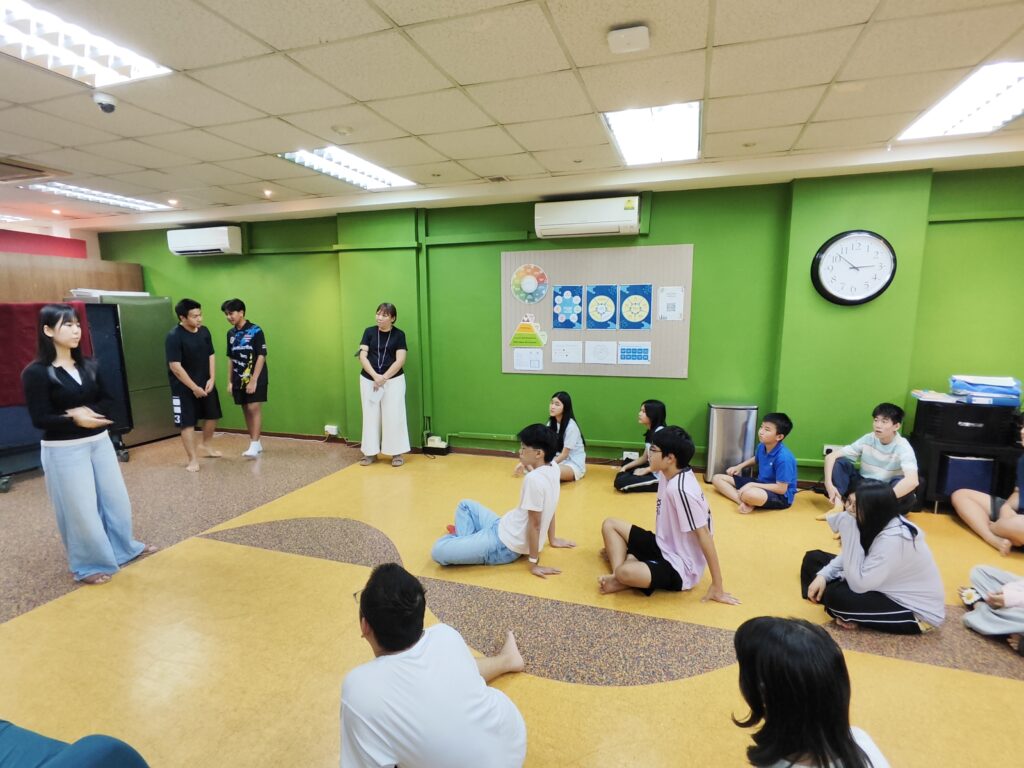
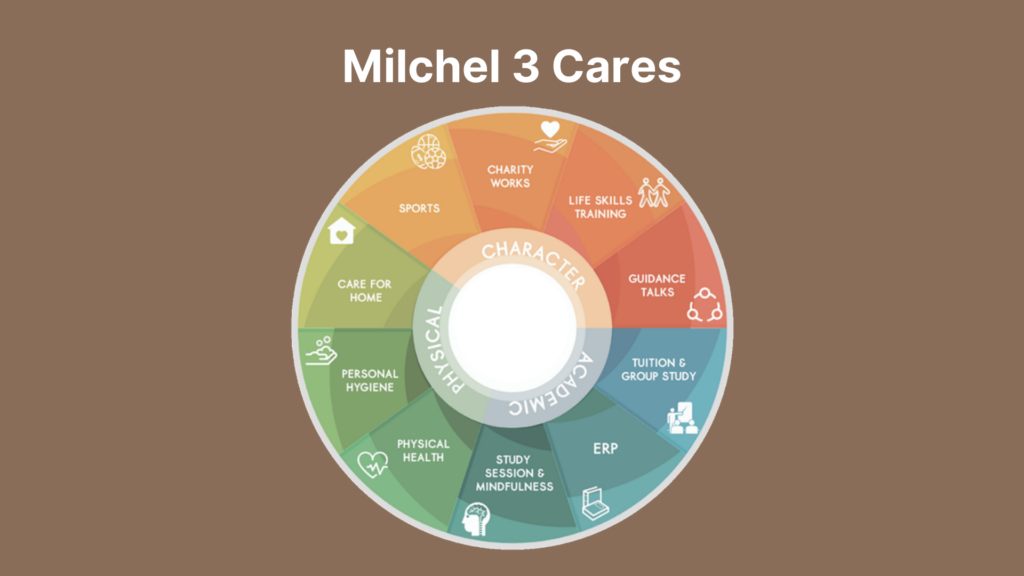
At MILCHEL, this begins at the very start of the year. We hold a comprehensive Start of the Year Guidance Talk. During this session, we clearly explain our expectations from both Primary and Secondary Milchelians. We also introduce the skills and tools available to help them meet these expectations. Our expectations go beyond academics. They include physical growth and character development. These are areas that MILCHEL has always been known to nurture.

One-on-One Target Setting for Milchelians

After the talk, students take part in a one-on-one target-setting session. Each Milchelian is guided by an experienced Coordinator. Together, they set clear academic goals. This process is detailed and demanding, but it is essential. It gives Milchelians an advantage that many others do not receive. By the end of this process, Milchelians have a clear end in mind. This guides them each day in school and in character-building activities.

A Strong Foundation for Milchelian Success

In conclusion, beginning the year with clear goals sets Milchelians up for success. It provides direction, purpose, and confidence from the very first day. This careful and intentional start assures parents that their children are in good hands. At MICLHEL, the success of Milchelians is not just an outcome we hope for. It is the very goal we work toward every day.